
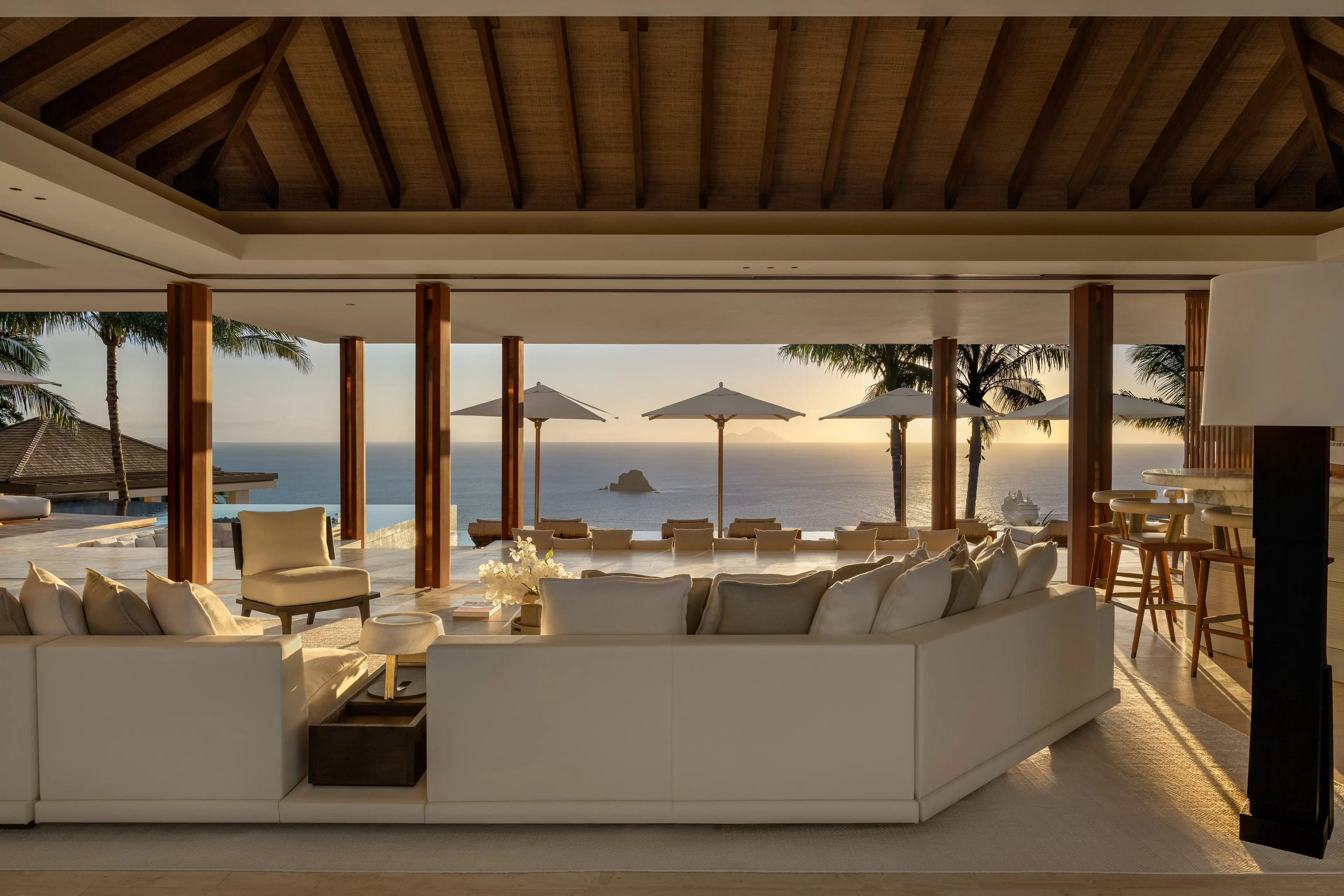
Branded residences in Dubai are homes built with a hotel, fashion or luxury name attached, and Dubai is the world's biggest market for them. Knight Frank counts 175 schemes in the city, 68 live and 107 in the pipeline. Buyers usually pay a premium for the brand, commonly 20% to 35% according to Knight Frank. So the real question is whether the name adds enough value to justify that extra cost.
This guide explains what you get for the premium, how Emaar and DAMAC differ, what the premium does to your yield, and what to check before you buy. Registered sales figures are from Dubai Data under CC BY 4.0, covering the 12 months to September 2026.
What Are Branded Residences?
A branded residence is a home developed with a licensed brand, such as a hotel group or fashion house. The developer pays for the name and design input, and sometimes a hotel operator runs the building. There are two broad types:
- Hotel-branded: run or influenced by a hospitality group, often with hotel-style services.
- Lifestyle-branded: a fashion, car or jewellery name, usually focused on design rather than running the building.
The difference matters. A hotel operator can change how a building feels every day. A designer name on the lobby may not. Ask exactly what the brand does after handover.
Branded Residences in Dubai: The Market
| Source | Live or completed schemes | Pipeline |
|---|---|---|
| Knight Frank, The Residence Report 2026-27 | 68 | 107 |
| Savills, Branded Residences 2025/2026 | 64 | 87 |
The counts differ because each firm defines the market in its own way, but both rank Dubai first. A pipeline larger than the live market is worth noticing. Once these projects complete, a brand name alone will stand out far less, so the location and building need to hold up on their own.
Emaar vs DAMAC Branded Residences
The two developers take different routes. Emaar mainly builds on its own hospitality names, such as Address and Vida, and is known for flagship communities. DAMAC is known for partnering with outside fashion and luxury names, such as Cavalli and de GRISOGONO.
| Emaar | DAMAC | |
|---|---|---|
| Brand approach | Mainly its own hospitality brands | Mainly outside fashion and luxury partners |
| Brand value relies on | Emaar's own reputation and locations | The partner's name and design |
| Usually suits | Buyers who value address and resale depth | Buyers who want a statement design |
| Main question to ask | Am I paying for the brand or the location? | What does the partner do after handover? |
Both groups sell through several legal entities. These registered sales cover all their homes in those entities, not just branded ones, so they show each developer's general market position:
| Developer entity | Sales | Median price | Median per sq ft | Off-plan share |
|---|---|---|---|---|
| Emaar Development | 6,520 | AED 4.59M | AED 2,204 | 39.6% |
| Emaar Properties | 1,317 | AED 3.70M | AED 2,113 | 5.4% |
| DAMAC Prime Development | 3,538 | AED 2.90M | AED 1,822 | 99.4% |
| DAMAC Crescent Properties | 1,929 | AED 1.31M | AED 1,700 | 52.5% |
For how they compare on delivery and quality, read Emaar vs DAMAC vs Sobha. You can also browse Emaar and DAMAC properties.
What the Brand Premium Does to Your Yield
Knight Frank cites a premium of 20% to 35%, and Savills puts the global average at about 33%. Here is a simple illustration using that 33%, assuming the same AED 200,000 rent on both homes:
| Unbranded | Branded (33% premium) | |
|---|---|---|
| Price | AED 3,000,000 | AED 3,990,000 |
| Annual rent (assumed) | AED 200,000 | AED 200,000 |
| Gross yield | 6.7% | 5.0% |
This is an example, not a forecast. Branded homes can earn higher rents, which would narrow the gap. To match the 6.7% yield, this home would need about AED 266,000 a year in rent. Ask for evidence of achieved rents in similar buildings, not projections. Service charges in branded buildings can also be higher, so read our guide to service charges.
When a Branded Residence Is Worth It
- You will live there or use it often, and will value the services and design.
- The location is strong without the brand. A good test is whether you would still buy it unbranded.
- Supply of that brand is limited. A rare name may hold its appeal better than one on many towers.
- The operator is committed. A long agreement with a hospitality operator is worth more than a design licence.
It may not be worth it if you are buying purely for yield, because a plain apartment in a mid-market area will often earn more on your money. See our Dubai Rental Yield Index.
What to Check Before You Buy
- Length of the brand agreement. What happens if it ends, or the brand leaves?
- Who runs the building after handover, and who sets service charges?
- Service charge estimate, in writing, with what it covers.
- Rental rules. Are short-term lets allowed, or must you use the operator's programme?
- Resale evidence. Compare registered resale prices in completed branded buildings nearby.
- Payment plan and handover date. Most new launches are off-plan, so check the developer's delivery record.
Branded Projects We List
| Project | Brand | From | Bedrooms |
|---|---|---|---|
| FTV Acacia | Fashion TV | AED 2.0M | 1 to 4 |
| Burj Binghatti Jacob & Co Residences | Jacob & Co | AED 9.2M | 2 to 3 |
These are starting prices at the time of writing and can change. See also our luxury real estate buyer's guide, and our list of Golden Visa properties from AED 2 million.
Frequently Asked Questions
How many branded residences are there in Dubai?
How much more do branded residences cost?
Are branded residences a good investment?
Is Emaar or DAMAC better for branded residences?
Can I get a Golden Visa with a branded residence?
Talk to SMS Realty
Tell us the brand or building you are considering. We will compare its price with similar unbranded homes nearby, so you can see what the premium is costing you. Contact SMS Realty.
Sources: Knight Frank and Savills figures via Khaleej Times and Savills. This guide is general information, not investment advice.

Authored By
Sanjit Banerjee
Founder & CEO of SMS Realty, specializing in Dubai's strategic growth corridors and high-yield investment structures.